As 2025 comes to a close, our research team from URA Lab at Ho Chi Minh City University of Technology (HCMUT) has successfully concluded a series of meaningful product demonstrations at the Ho Chi Minh City Youth Union. Taking place from the afternoon of December 28th to the morning of December 30th, this journey served as more than just a technical showcase; it acted as a vital bridge connecting high-tech solutions with practical social needs.
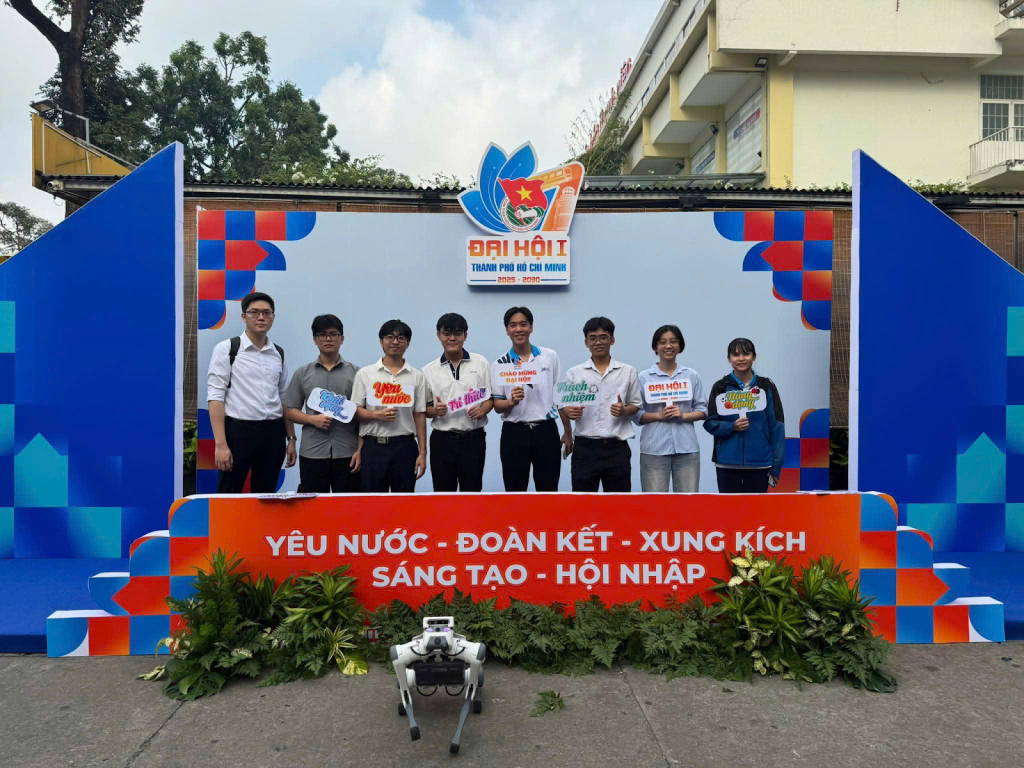
A Look Back at Our Three Sessions
The mission began on the afternoon of December 28th with the technical setup phase. The team arrived early to deploy the necessary infrastructure, ranging from calibrating precision sensors for the robot to defining safety boundaries for the virtual reality system. Every preparatory step was meticulously executed to ensure a stable and high-fidelity experience for all visitors.
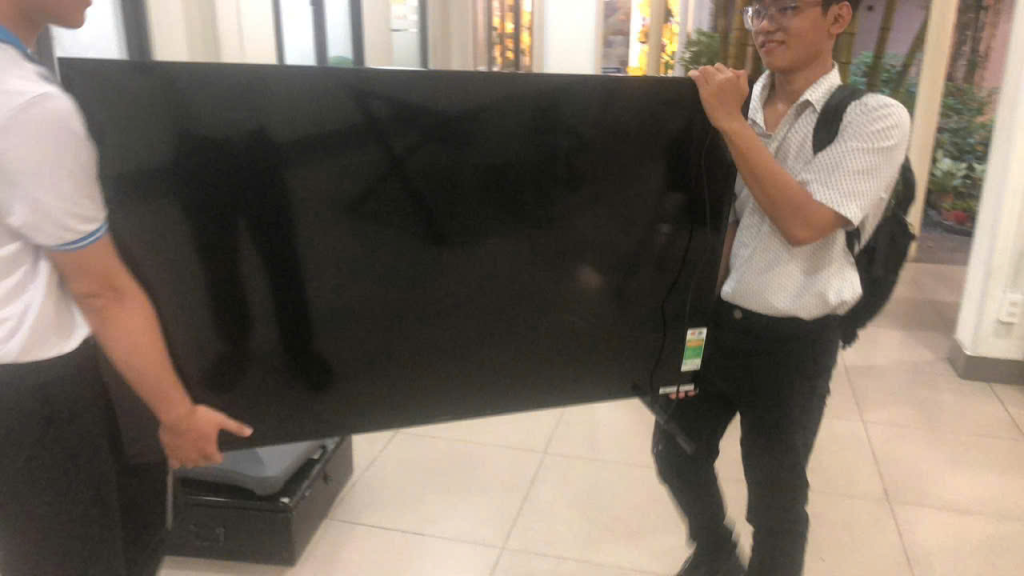
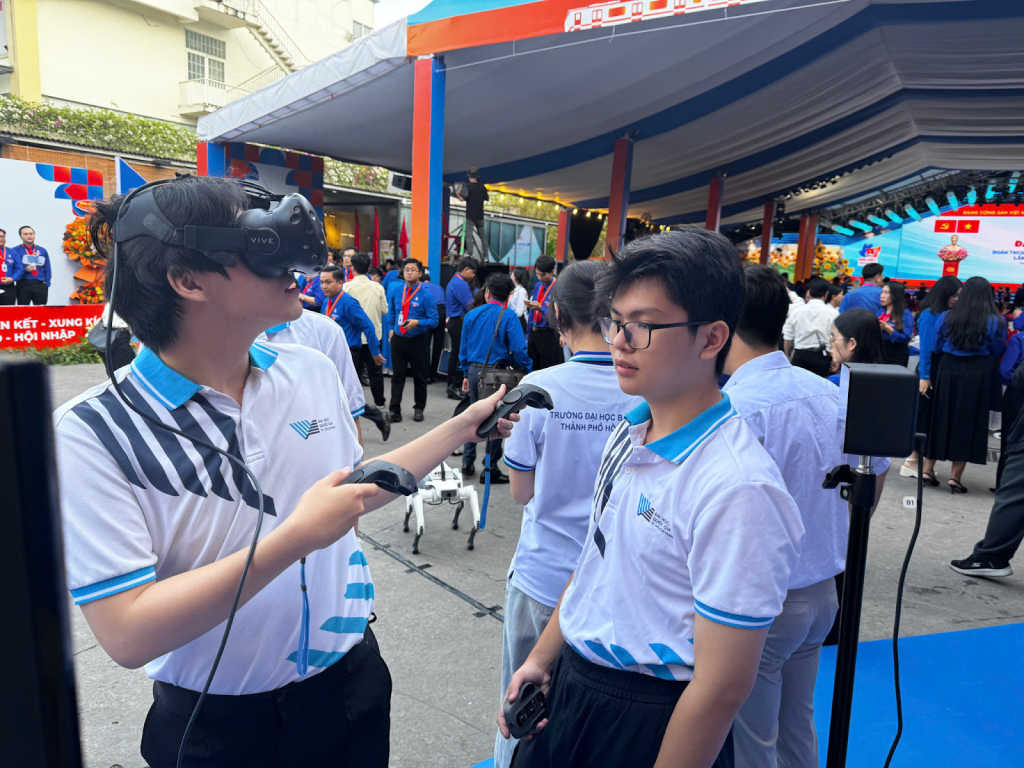
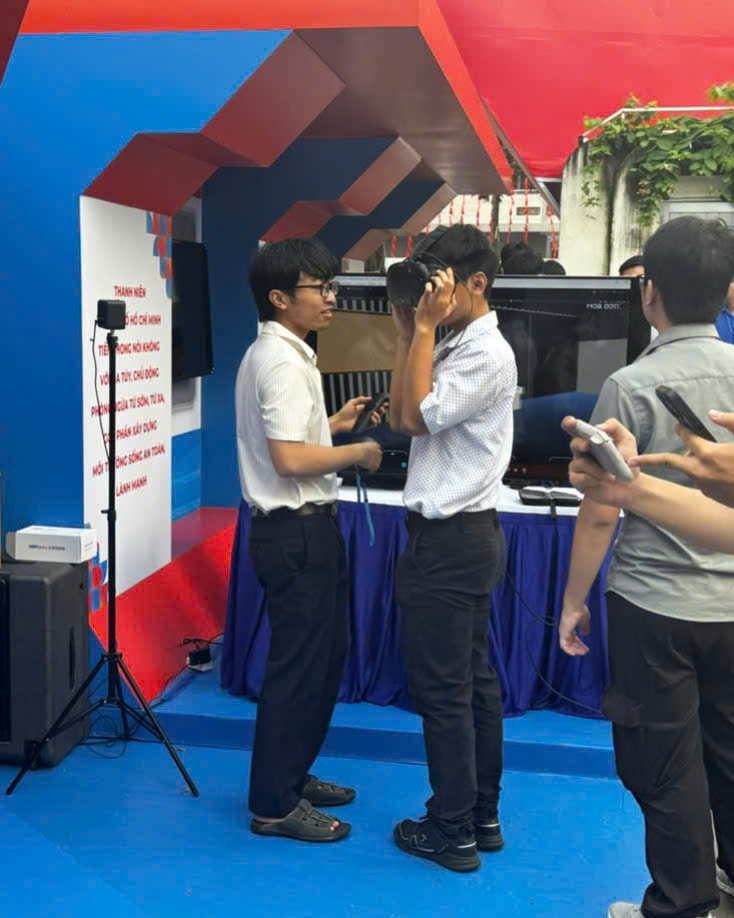
December 29th marked our primary engagement session, focused on direct interaction and connection. It was rewarding to witness members of the Youth Union actively engaging with the virtual supermarket environment and operating the survey robot. In-depth discussions regarding clinical applications in healthcare and the durability of robots in harsh construction environments provided our team with invaluable feedback for future iterations.
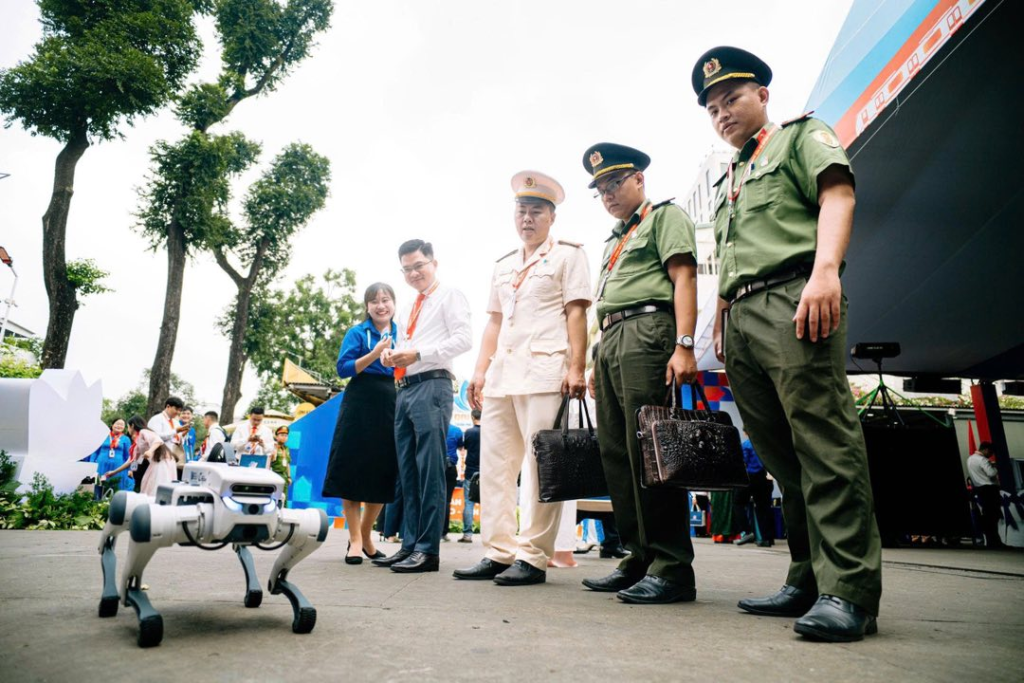
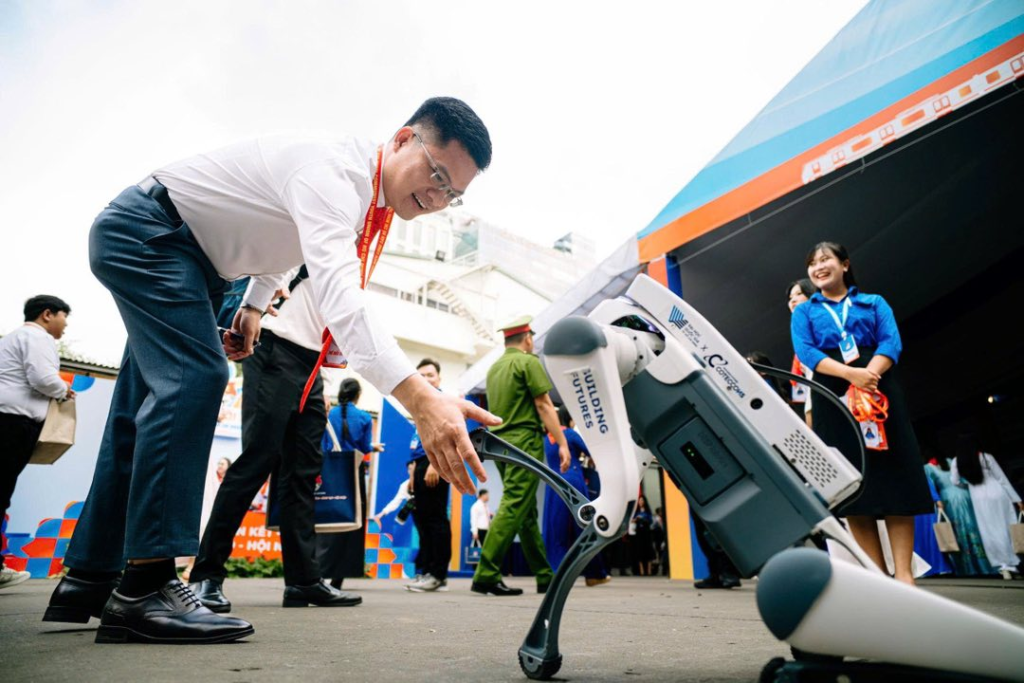
The journey concluded on the morning of December 30th with final demonstrations and a feedback summary. The positive reception from the Youth Union reinforced our core belief that advanced technology—whether autonomous robotics or immersive virtual reality—attains its highest value only when it serves human health and fosters social progress.
Flagship Projects Featured at the Event
The first project showcased was the Virtual Supermarket for Early Alzheimer’s Diagnosis, a collaborative effort between HCMUT and Military Hospital 175. Moving away from traditional, often fatiguing cognitive tests, this system utilizes a VR environment powered by the HTC Vive to simulate familiar daily activities. Patients perform tasks such as memorizing shopping lists or locating specific aisles, while the system transparently captures data on action sequences and levels of hesitation. These quantitative metrics allow physicians to accurately assess cognitive impairments at an early stage, a time when conventional examination methods might overlook subtle symptoms.
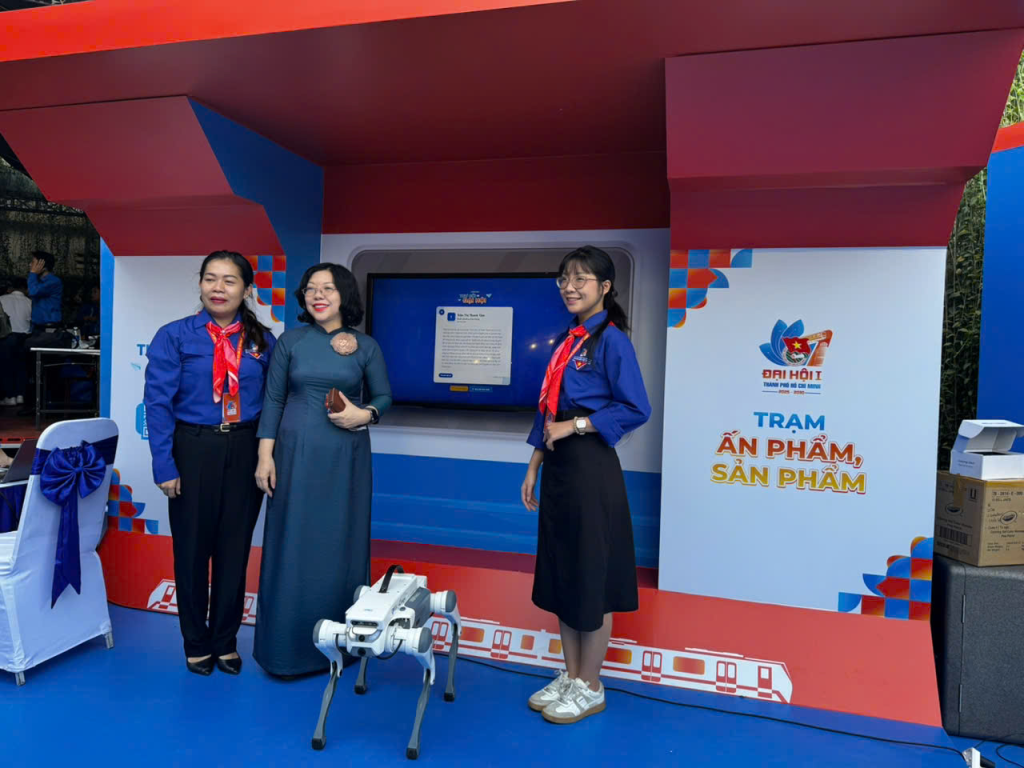
Parallel to this, the Quadruped Robot for Construction Site Surveying, developed in partnership with Coteccons Group, focuses on automating construction safety inspections. Built on DEEP Robotics hardware and integrated with the Robot Operating System (ROS) and depth cameras, the robot is optimized for precise navigation. A key highlight is the implementation of the Coverage Path Planning algorithm, which enables the robot to autonomously schedule paths that cover an entire floor area without missing a single spot. Furthermore, a specialized YOLO model allows the robot to promptly detect hazardous objects and transmit real-time video feeds to a control center via a web server interface.
Final Thoughts
While our time at the Youth Union has concluded, our research journey continues. The real-world data and insights gathered over these three days will serve as a foundation for upcoming scientific publications and the development of field-ready versions. Our research team would like to express our sincere gratitude to our partners—Military Hospital 175, Coteccons Group, and the Ho Chi Minh City Youth Union—for their enthusiastic support in making this event a resounding success.